Mining & Trade News
Malawi Online News
Top Stories
MKANGO ANNOUNCES RESULTS OF UPDATED FEASIBILITY STUDY FOR SONGWE HILL RARE EARTHS PROJECT IN PHALOMBE
July 12, 2026 / Marcel Chimwala
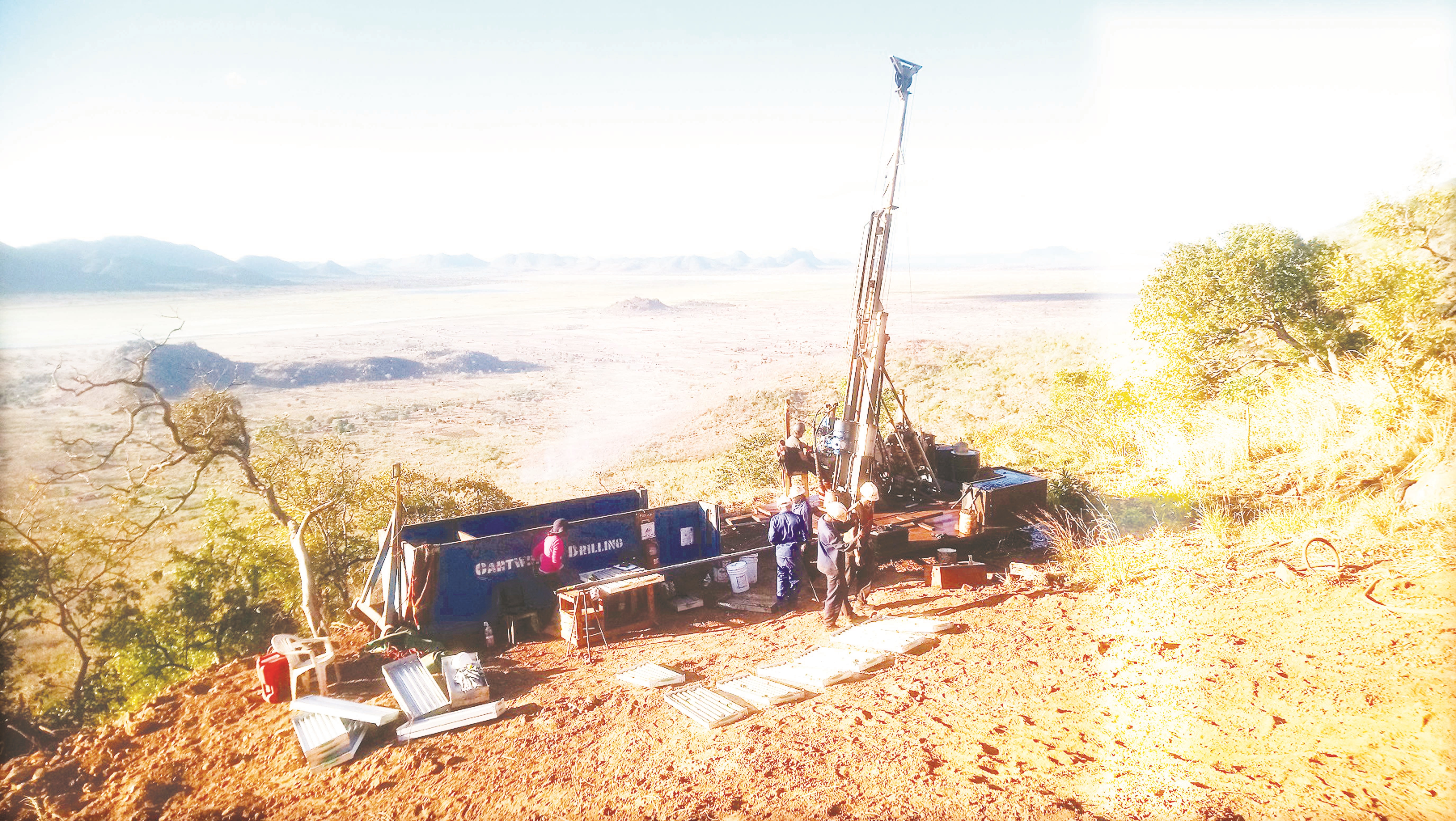
Mkango Rare Earths has announced the results of an updated feasibility study for its Songwe Hill Rare Earths Project in Phalombe, marking a significant step forward for what could become one of Malawi's most important mining developments.
The company's President, Alexander Lemon, noted that Songwe is now among only a handful of rare earths projects worldwide to have reached the Definitive Feasibility Study (DFS) stage. The project also holds a Mining Development Agreement and has completed a full Environmental, Social and Health Impact Assessment in line with World Bank standards — an indication of the rigorous preparation that has gone into bringing it to this point.
Songwe has attracted significant international attention. It has been selected as a strategic project under the European Union's Critical Raw Materials Act and has received US$4.6 million in technical assistance funding from the United States Development Finance Corporation (DFC).
"Songwe in Malawi is a landmark project for the community and the Malawi economy," said Lemon. "Our mission is to deliver sustainable, long-term value for our shareholders and stakeholders."
The project is set to produce rare earth elements - including neodymium, praseodymium, dysprosium and terbium - that are essential to the global shift towards clean energy. These materials are used in the permanent magnets found in electric vehicles, wind turbines and a wide range of electronic devices, meaning demand for them is expected to grow strongly in the years ahead.
According to the feasibility study, Songwe is expected to operate for 18 years, producing an average of nearly 6,000 tonnes of rare earth oxides per year during the first five years of full production. The total cost of developing the mine, processing plants and related infrastructure in Malawi is estimated at approximately US$417 million.
The financial projections are encouraging. The project carries an estimated post-tax net present value of US$339 million and an internal rate of return of 24 percent. Over the life of the operation, post-tax cash flow is projected at US$1.55 billion — figures that underline the scale of economic activity the project could generate for Malawi.
Under more optimistic pricing scenarios, those figures rise further still, with the project's net present value climbing to US$489 million and projected cash flows reaching over US$2 billion.
The mine will operate as a conventional open pit, with ore processed and value add beneficiation taking place on site in Malawi. Songwe will produce a high value purified mixed rare earth carbonate (“MREC”) in Malawi, that can be sold into international markets as a forex generator export. The study confirms mineral reserves of 18.1 million tonnes, and the company believes there is scope to extend the mine's life further as additional resources are explored in the future.
For Phalombe and for Malawi more broadly, Songwe Hill represents a substantial opportunity - both in terms of direct investment and the country's growing role in supplying the critical materials the world needs for a greener future.
Share this:
Leave a Comment
Comments
Mining & Trade Review News

Agribusiness News

Subscribe to Newsletter
Rehabilitation:
The establishment of a stable and self-sustaining ecosystem, but not necessarily the one that existed before mining began. In many cases, complete restoration may be impossible, but successful remediation, reclamation, and rehabilitation can result in the timely establishment of a functional ecosystem.
Archives
Remediation:
The cleanup of the contaminated area to safe levels by removing or isolating contaminants. At mine sites, remediation often consists of isolating contaminated material in pre-existing tailings storage facilities, capping tailings and waste rock stockpiles with clean topsoil, and collecting and treating any contaminated mine water if necessary.
Stackholders Logos